

Top Stories
- Harrison, Smyczek Win Openers at Charlottesville Men’s Pro Challenger
- Grand Prix Hassan II Thursday Tennis Results
- Bouchard Hires Connors To Work With Her
- Miami Open Saturday Men’s Tennis Results
- Australian Open 2016 Play-off Monday Results
- Wilson Appoints Mickey Maule as Commercial Director For Racquet Sports Business In USA, Canada And Latin America
- Monte-Carlo Rolex Masters Saturday Tennis Results
- BNP Paribas WTA Finals Friday Tennis Results
- TEB BNP Paribas Istanbul Open Friday Tennis Results
- Memphis Open Seeking a Title Sponsor
Tournament News
 2016 WTA Finals Singapore Sets All Time High Engagement Level
 Kyrgios and Tomas Berdych Confirmed for World Tennis Challenge
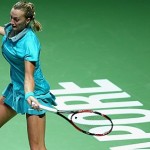 Three Two-time Grand Slam Champions Headline the Apia International Sydney
 Stosur, Tomic and Millman Returning to Brisbane as Queensland
 Kayla Day Leads USTA Pro Circuit Australian Open Wild Card Challenge
- Tomic Defends His Decision To Skip The Olympics
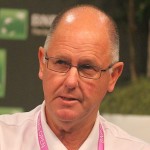 WTA Chief Responds To Tiriac’s Concerns About Equality In Tournament Prize Money
 Tennis Channel And Eurosport Reach Agreement For The French Open
 Kyrgios Wants To Play In Olympics
 Italy Wants To Host New ATP Event
Tennis News
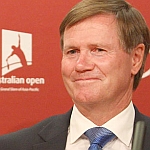 Tennis Australia President Steve Healy Re-elected For Third Term
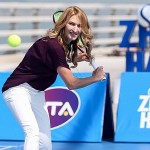 Stefanie Graf Bridges WTA Elite Trophy Zhuhai with World
 It Is A Different Life For Muguruza Now
 Djokovic Would Love To Win A Golden Grand Slam In 2016
 Maria Sharapova Receives Two-year Suspension
- Kyrgios Does Not Plan On A Long Career Playing Tennis
 Mauresmo Reveals Why She Split With Murray
- Sharapova’s Hearing Said To Begin Wednesday
- Murray Blames Lack Of Contact With Mauresmo The Reason For Ending Relationship
 British LTA Making Changes Including Its Name
Results
 WTA Elite Trophy Sunday Tennis Results
 BNP Paribas Masters Sunday Tennis Results
- BNP Paribas Masters Saturday Tennis Results
- BNP Paribas Masters Friday Tennis Results
- WTA Elite Trophy Zhuhai Friday Tennis Results
- BNP Paribas Masters Thursday Tennis Results
- WTA Elite Trophy Zhuhai Thursday Tennis Results
- WTA Elite Trophy Zhuhai Wednesday Tennis Results
- BNP Paribas Masters Wednesday Tennis Results
- BNP Paribas Masters Tuesday Tennis Results
ATP News
 [rssonpage rss=”http://www.atpworldtour.com/en/media/rss-feed/xml-feed” feeds=”5″ excerpt=”false” target=”_blank|_self”]
WTA News
 [rssonpage rss=”http://www.wtatennis.com/feed.rss/category/12009823,12010172/limit/20/page/news/request/article” feeds=”5″ excerpt=”false” target=”_blank|_self”]
Davis Cup News
 [rssonpage rss=”http://www.daviscup.com/data/rss/DavisCupNews.xml” feeds=”5″ excerpt=”false” target=”_blank|_self”]
Fed Cup News
 [rssonpage rss=”http://www.fedcup.com/data/rss/FedCupNews_EN.xml” feeds=”5″ excerpt=”false” target=”_blank|_self”]
New York Times
 [rssonpage rss=”http://rss.nytimes.com/services/xml/rss/nyt/Tennis.xml” feeds=”5″ excerpt=”false” target=”_blank|_self”]
The Times
 [rssonpage rss=”http://www.thetimes.co.uk/tto/sport/tennis/rss” feeds=”5″ excerpt=”false” target=”_blank|_self”]
IOL Sport
 [rssonpage rss=”http://www.iol.co.za/cmlink/1.670″ feeds=”5″ excerpt=”false” target=”_blank|_self”]
ITF Pro Circuit
 [rssonpage rss=”http://www.itftennis.com/data/rss/itfprocircuitnews.xml” feeds=”5″ excerpt=”false” target=”_blank|_self”]
ITF Seniors
 [rssonpage rss=”http://www.itftennis.com/data/rss/itfseniorsnews.xml” feeds=”5″ excerpt=”false” target=”_blank|_self”]
ITF Wheelchair
 [rssonpage rss=”http://www.itftennis.com/data/rss/itfwheelchairtennisnews.xml” feeds=”5″ excerpt=”false” target=”_blank|_self”]
Peter Bodo
 [rssonpage rss=”http://feeds.feedburner.com/tennisworld-bodo” feeds=”5″ excerpt=”false” target=”_blank|_self”]
Steve Tignor
 [rssonpage rss=”http://feeds.feedburner.com/concrete-elbow-tignor” feeds=”5″ excerpt=”false” target=”_blank|_self”]
The Daily Spin
 [rssonpage rss=”http://feeds.feedburner.com/daily-spin-scott” feeds=”5″ excerpt=”false” target=”_blank|_self”]
WTA Videos
[rssonpage rss=”http://www.wtatennis.com/feed.rss/category/12010160,12010254,12010256,12010257/limit/20/page/videos/request/article” feeds=”5″ excerpt=”false” target=”_blank|_self”]
WTA Photos
[rssonpage rss=”http://www.wtatennis.com/feed.rss/category/12010258/limit/20/page/photos/request/article” feeds=”5″ excerpt=”false” target=”_blank|_self”]
Business News
- Andy Murray Backing British Entrepreneurs on Leading Equity Crowdfunding Platform Seedrs
- 2016 WTA Finals Singapore Sets All Time High Engagement Level
 USTA Announces Team Head Tennis Professionals for USTA National Campus
 USTA Announces Multi-year Agreement With PepsiCo in Orlando
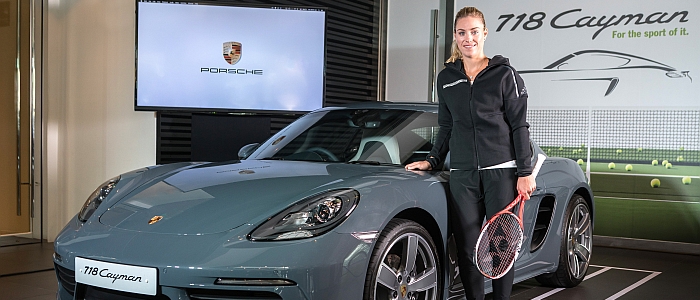
 Porsche Brand Ambassador Angelique Kerber Unveils 718 Cayman
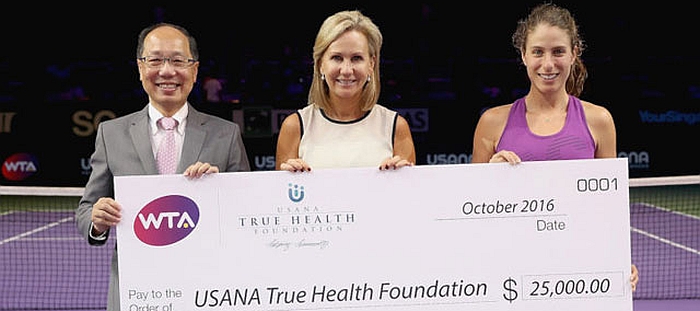
 WTA Raises $25,000 During Aces for Humanity
 Serena Williams Becomes Highest Paid Female Athlete
 Indian Wells Names Haas Its New Tournament Director
 French Federation Is Enjoying Financial Success
- USTA Names Chief Marketing Officer
Subscribe to Bob Larson's Daily Business News

Stock Ticker
- Loading stock data...
USPTA
[rssonpage rss=”http://uspta.com/newsletterrss.aspx?category=USPTA+Latest+News” feeds=”5″ excerpt=”false” target=”_blank|_self”]
ITF Coaching
[rssonpage rss=”http://en.coaching.itftennis.com/data/rss/itfcoachingnews_en.xml” feeds=”5″ excerpt=”false” target=”_blank|_self”]
College News
 Intercollegiate Tennis Association Redesigns Board Of Directors
 College MatchDay Returns To Highlight Five Premier Team Matches In March And April
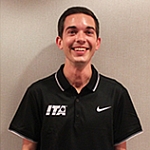 Wes Beaullieu Appointed New ITA Championships Coordinator
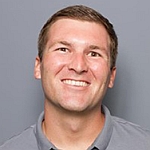 Chris Eriksson Appointed As New ITA Championships & Rankings Coordinator
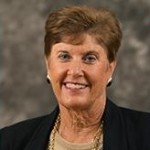 Dr. Ann Lebedeff Named 2015 ITA Meritorious Service Award Winner
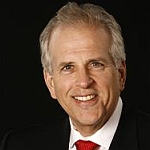 Jon Vegosen Appointed New ITA Chairman Of The Board
 Oracle/ITA Division II Fall 2015 National Rankings Released
- Oracle/ITA NAIA Fall 2015 National Rankings Released
- ITA Junior/Community College Fall 2015 National Rankings Released
 Dominik Koepfer, Francesca Di Lorenzo Capture 2015 USTA/ITA National Indoor Intercollegiate Championships
ITA Tennis
[rssonpage rss=”http://www.itatennis.com/Media/News_Feed.htm” feeds=”5″ excerpt=”false” target=”_blank|_self”]
Tennis Recruiting Network
[rssonpage rss=”http://www.tennisrecruiting.net/rss/articles/college.asp” feeds=”5″ excerpt=”false” target=”_blank|_self”]
Junior News
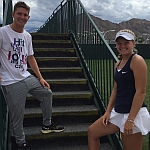 Gianni Ross, Alexandra Sanford Win Prestigious ITF Singles Titles On the Final Day of the ASICS Easter Bowl
 McNally To Face Former Doubles Partner Ross; Sanford Takes On Douglas In ASICS Easter Bowl Finals
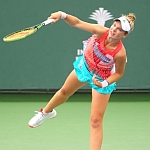 McNally Siblings Into ASICS Easter Bowl Semifinals; Haskins, Blake Take Home 16s Singles Titles
 McNally’s Join Third Cincinnati Player Into Quarterfinals At ASICS Easter Bowl
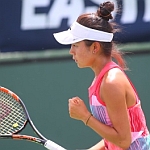 Emma Higuchi Upsets Defending 18s Singles Champion Claire Liu In Second Round at ASICS Easter Bowl
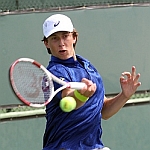 Brandon Holt Keeps Cool In Desert Heat With First-Round Win At the ASICS Easter Bowl
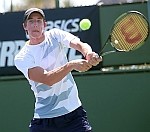 Keegan Smith Upsets Top-Seeded Ulises Blanch At ASICS Easter Bowl
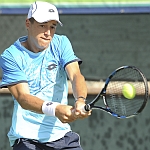 Liam Caruana, Kayla Day Take Home USTA International Spring Championship 18s Singles Titles
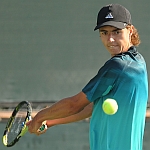 Axel Nefve, Jessi Muljat Capture USTA International Spring Championship 16s Singles Titles
- 2016 ASICS Easter Bowl Begins Today At Indian Wells Tennis Garden
ITF Juniors
[rssonpage rss=”http://www.itftennis.com/data/rss/itfjuniorsnews.xml” feeds=”5″ excerpt=”false” target=”_blank|_self”]
Zoo Tennis
[rssonpage rss=”http://feeds.feedburner.com/blogspot/sIQOA” feeds=”5″ excerpt=”false” target=”_blank|_self”]